

Greetings philanthropy advocates,
Glen Gailich’s new book, CONTROL: Why Big Giving Falls Short, is not for the faint of heart. Told through his own journey — bumpy and raw — Glen challenges business-as-usual in the philanthropic world. The flaws he highlights include the prioritization of donor control and endowment growth over urgent, community-focused giving. The challenge he issues is to stand aside, listen to those we are attempting to help, and hand over decision-making. Sound intriguing or scary? It’s both. Start with pages 160 and 161; if those words leave you uneasy or inspired, you’re ready for this book!
And hot off the press, TIME just named Glen Galaich, one of the most influential people in philanthropy for 2026!
On the question of endowment transparency, Glen writes, “It’s all strangely hush-hush.” And he’s right! While public for-profits must disclose their holdings, nonprofits, which are explicitly set up to serve the public, are allowed to keep theirs private. Why!? What are we hiding? Go transparent by using our simple toolkit for how to include your holdings on your 990 or 990-PF.
Hope this finds you all doing well and planting gardens!
Elizabeth
Meet an Endowment Champion
Meet Danielle Y. Scott
President & CEO, The Pincus Family Foundation
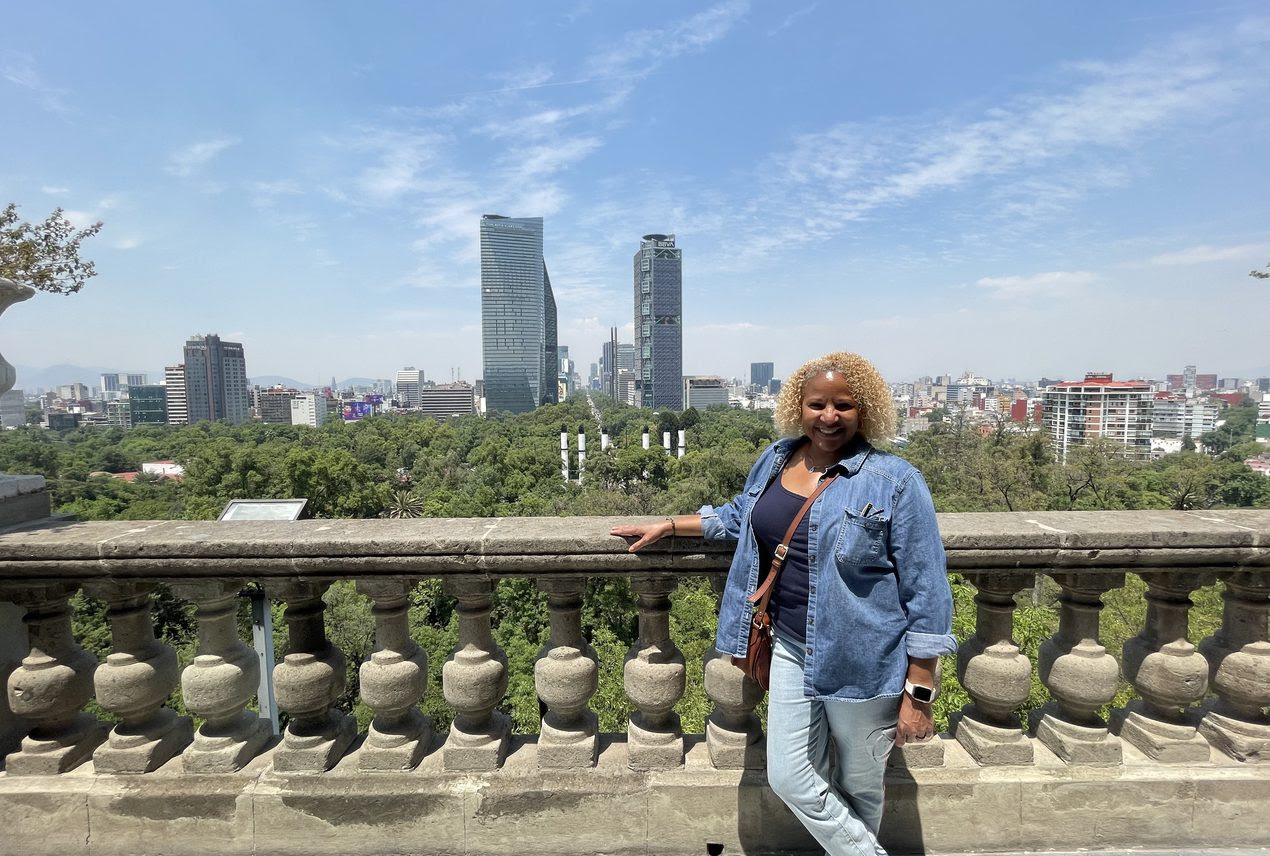
At Work…
What finally inspired you to start aligning your endowment with your mission?
The realization that good intentions are not enough. I wanted to ensure that our mission wasn’t achieved by growing our endowment in ways that were the antithesis of our values and focus on the well-being of children.
What have been the biggest obstacles at your foundation for mission alignment?
Finding learning opportunities to increase my knowledge and grow my confidence to match my belief in this work. This undertaking empowered me to navigate conversations and produce allies to help gain buy-in from Trustees. Opportunities included enrolling in Daylight Advisors Impact Philanthropy Advisor Certificate Program. I believe the knowledge I gain from this will enhance my ability to strategically manage our grants and MAI portfolios for optimum impact.
How far along is your foundation in this journey?
We have moved from conviction to action. Our Mission Aligned Investment Committee received a one million dollar carve-out from our endowment to increase our mission through alternative investments, which enabled us to go beyond grants. The Pincus Family Foundation has executed a Program Related Investment of $250,000 to the CDFI Finanta (formerly Community First Fund).
What’s next in your mission alignment?
I intend to seek out and actively participate in networks that will help me continue to learn and grow in this field and find other investment opportunities in the Philadelphia region and Southern New Jersey.
What about perpetuity or spending/investing down?
Currently, our foundation sees greater benefit in operating under a perpetuity model. As a family foundation, the endowment also serves as a vehicle that provides regular familial communication to discuss ways we can continue to create positive impact. This topic is an ongoing debate in philanthropy and future PFF Trustees may have different opinions.
What’s a favorite mission aligned investment of yours?
Right now, we only have one investment, so it is my favorite. I found Finanta’s approach to empowering communities to thrive closely aligned with our foundation’s values.
Have you ventured into shareholder advocacy? How so?!
Not yet, but as our MAI practice matures, I am confident that shareholder advocacy will be a natural next conversation for our committee.
Private foundations are required to list their endowment holdings on their tax returns. Most don’t. Do you believe in this transparency?
Yes, we believe in practicing this transparency as it aligns with our belief in trust-based philanthropy.
What’s the most convincing thing to get others on board?
MAI practices shorten the time it takes to deliver financial support to marginalized communities. From my point of view, MAI is a both/and approach. It provides more immediate financial support and supports perpetuity. I would encourage those still on the fence to remember that there are no 100% guarantees in life or with any type of investment.
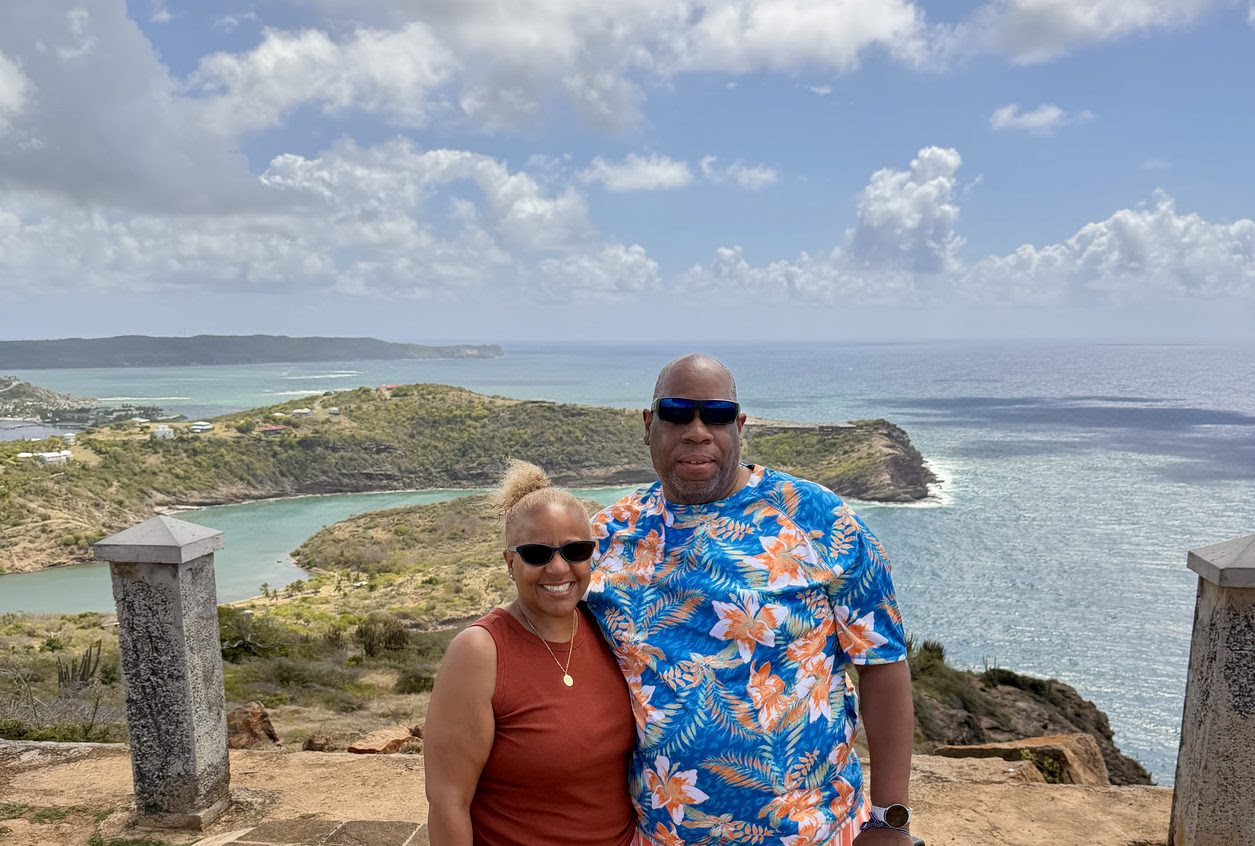
Danielle After Work
Guilty pleasure: A glass (or two) of wine.
Kickback film: It depends on what I’m in the mood for.
Last series you binge-watched: Love is Blind. There is something about these social experiments that intrigue me.
Favorite podcasts: I don’t have one.
Favorite caffeine source: Sumatra Reserve Coffee
Sweet or salty: Salty
Happy place: The supermarket! I love buying groceries to try new recipes.
A favorite novel: Children of Blood and Bone
Childhood ambition: To become a lawyer. I’ve always wanted to advocate for those unable to.
Favorite historical figure: Zora Neal Hurston. A woman who lived her life authentically while celebrating Black culture, Black identity and documenting it for the generations that followed.
Time period you were meant to live in: The one in which I was born, the 1960s. I loved the music, the fashion and the strong sense of community from this era.
Least favorite subject in school: Math
A favorite destination: Mexico
Biggest challenge: Unplugging from the work I love in order to recharge.
Current pet peeve: Elementary schools that do not enforce correct spelling or teaching cursive writing.
Music that lifts your spirits: All kinds
Most unusual gift given: A cotton candy machine
Last splurge: Wardrobe update
— See other mission aligned trailblazers on our website! —