One man jitney service in Philadelphia who donates services to vulnerable populations.
Share the Story

The Sustainable Tourism Impact Fund, a partnership between Agoda, World Wide Fund for Nature (WWF) Singapore, and the UnTours Foundation, has announced its second round of investments alongside early impact results from the Fund’s inaugural cohort.
The Fund is part of Agoda’s broader sustainability strategy and builds on its partnership with WWF-Singapore through Agoda’s Eco Deals program. Through Eco Deals, Agoda works with hotel partners across Asia to offer travelers discounted stays while directing a portion of proceeds to WWF’s conservation initiatives. Those funds also support the Sustainable Tourism Impact Fund, extending conservation impact to small tourism enterprises strengthening ecosystem health and community resilience at the destination level.
Designed to provide affordable, flexible financing to small and medium-sized tourism enterprises, the Fund supports businesses that integrate environmental restoration, climate resilience, and inclusive economic development into their core operations. Each new investee receives USD 25,000 in loan capital to expand impact-driven initiatives across the region.
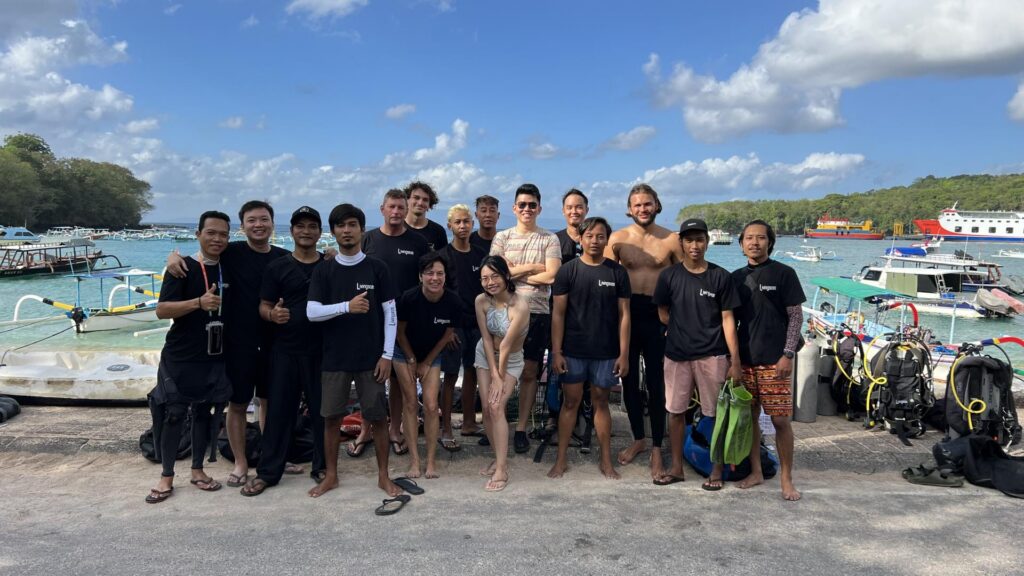
Livingseas Asia (Indonesia): Livingseas Asia combines dive tourism with coral reef restoration in Padangbai, Bali. Its nonprofit arm, the Livingseas Foundation, has restored more than 8,300 square meters of degraded reef, deploying artificial reef structures and planting over 420,000 coral fragments, with measurable biodiversity recovery. The Fund’s investment will support the construction of modular housing for staff and trainees near the restoration site. This will expand Livingseas Asia’s hosting capacity and strengthen the Foundation’s ability to deliver marine education, conservation training, and reef restoration activities.
Bambike Ecotours (Philippines): Bambike Ecotours connects bamboo agroforestry, fair trade bicycle manufacturing in rural communities, and regenerative tourism experiences. The loan will support the development of Ligtasin Cove in Batangas, a bamboo-built tourism destination that will include coastal ecotours and a bamboo nursery for reforestation and erosion control. The initiative aims to create local jobs while expanding lower-carbon tourism experiences that connect travelers with community-led environmental restoration.
“At Agoda, we believe the future of travel depends on the resilience of the destinations we serve,” said Timothy Hughes, Vice President of Corporate Development at Agoda. “These investments support local pioneers integrating environmental restoration and community well-being into their operations, demonstrating the potential of impact-driven travel.”
Six months after the Fund’s initial investments, early results across Thailand, Indonesia, and the Philippines demonstrate encouraging environmental and community impact.
Local Alike (Thailand): Local Alike expanded its Travel With Care initiative into 10 community-based destinations, launching 16 regenerative tourism activities that include mangrove restoration, forest protection, sustainable fisheries, and preservation of Indigenous knowledge. The organization also activated partnerships with the Department of National Parks and the Tourism Authority of Thailand, establishing an impact monitoring framework and initiating a national white paper.
Ecohotels (Philippines): Ecohotels advanced its Bahay Farms initiative by onboarding 22 local farmers and planting 500 mango trees, strengthening future food production and community income. The company also increased plant-based menu offerings from 35% to 50% and launched its Green Warriors workforce program, training 15 participants, five of whom have already transitioned into hospitality roles.
Sejiva (Indonesia): Sejiva expanded its responsible tourism model in West Java and Jakarta, introducing new heritage walking tours and coral restoration experiences that connect travelers with local ecosystems and cultural knowledge. The investment also strengthened Sejiva’s marketing capacity, allowing the organization to scale its #travelpositive campaign and awareness programs to reach a broader audience.
“We are incredibly encouraged by the impact created so far by our inaugural cohort,” said Sarah Payne, Senior Director of Impact at the UnTours Foundation. “These businesses are expanding regenerative tourism models, strengthening local livelihoods, and embedding measurable environmental outcomes into their growth. Their progress shows how flexible financing can translate into tangible impact on the ground.”
Tourism enterprises across the region advancing conservation, climate resilience, sustainable mobility, and community-led economic development are encouraged to apply for the next round of funding at: https://untoursfoundation.org/sustainable-tourism-impact-fund.
Each March, businesses around the world celebrate B Corp Month, a global moment to highlight companies that believe there is a better way to do business.
What began as a small movement has grown into a global community of Certified B Corporations spanning more than 10,000 companies across 100+ countries and 160+ industries, and employing more than a million workers worldwide. United by a shared goal, these businesses are working to transform the role of business in society.
Certified B Corporations are companies verified by B Lab to meet high standards of social and environmental performance, transparency, and accountability. Rather than focusing only on financial returns, B Corps commit to balancing profit with the needs of workers, communities, customers, and the planet. The B logo that appears on products, websites, and storefronts has become a signal of that commitment. Every company that carries it has undergone a rigorous assessment process and pledged to continuously improve its impact.
During B Corp Month, businesses across industries share how they are putting those commitments into action. One example comes from the tourism industry, where two B Corps, UnTours and EXO Travel, through their foundations (UnTours Foundation and EXO Foundation), are working together to support entrepreneurs building a more sustainable future for travel across Southeast Asia.
Both organizations are part of the global B Corp community, though their journeys began at different moments in the movement’s history.
UnTours has long been recognized as a pioneer in responsible business. Founded by Hal Taussig, the company was built around the belief that tourism should benefit the places travelers visit. Hal famously took no salary and committed 100% of UnTours’ profits to the UnTours Foundation, which financially supports social entrepreneurs working to solve pressing social and environmental challenges.
When B Lab launched the B Corp certification, UnTours became the world’s first Certified B Corporation, helping inspire a global movement of businesses committed to using business as a force for good.
Decades later, EXO Travel joined the B Corp community in 2023, becoming one of the first destination management companies in Asia to earn the certification. Founded in 1993, EXO has grown into one of the region’s leading destination management companies, known for its deep local expertise and commitment to authentic travel experiences across Asia.

Together, these efforts have shaped EXO’s broader approach to sustainability, with the company continuing to strengthen practices across its operations and supply chains while working closely with local partners to promote responsible tourism.
Together, UnTours and EXO Travel share a belief that tourism can be a powerful force for positive change when businesses prioritize long-term impact alongside financial success.
“Small tourism businesses around the world are eager to operate more sustainably, but too often they lack access to the right kind of capital to make those investments,” says Sarah Payne, Senior Director of Impact & Operations at the UnTours Foundation. “Through the Reset Tourism Fund, we’re proud to partner with organizations like the EXO Foundation to ensure that mission-aligned financing reaches the entrepreneurs who are building a more sustainable future for travel. It’s especially exciting when partnerships like this are rooted in a shared vision of how business can actively build a more sustainable world.”

Across Southeast Asia, many small and medium-sized tourism enterprises want to adopt greener technologies and environmentally responsible practices, but lack access to the capital needed to make those investments. Even when businesses are committed to sustainability, the upfront costs of cleaner technologies, waste reduction systems, or more efficient equipment can create significant barriers.
The Reset Tourism Fund helps bridge that gap by providing flexible, affordable financing that allows tourism businesses to invest in practical solutions that reduce their environmental footprint while strengthening their long-term resilience.
As Charlotte Piffard, EXO Foundation Leader, explains, “Our main focus is to truly accompany our suppliers in their transition. We want to show that we are here for them, not just with expectations, but by providing concrete options and solutions. This creates a real win-win dynamic: as our partners reduce their carbon footprint, we also reduce ours. What makes the Reset Tourism Fund particularly powerful is that it allows us to focus on reduction rather than offsetting emissions. It has been a key catalyst in making this shift possible.”
By combining EXO Foundation’s deep regional partnerships with the UnTours Foundation’s experience investing in mission-driven businesses, the initiative helps tourism entrepreneurs take meaningful steps toward greener operations while strengthening the sustainability of the destinations they call home.
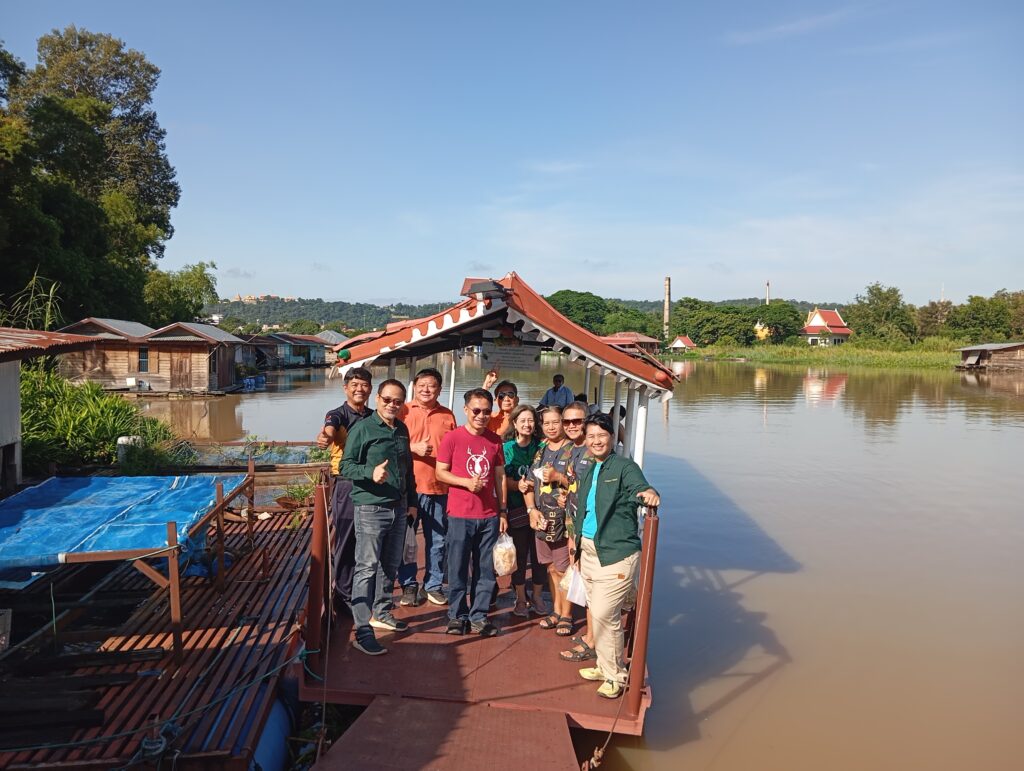
One example of this work can be found in Thailand. Based in Nonthaburi Province near Bangkok, POSITIV GROUP has spent more than a decade designing tourism experiences that celebrate local culture while protecting the environment.

As the company grew, Silaparn and the team began asking a bigger question: how could tourism itself operate more sustainably?
That question led to an important innovation. In 2025, POSITIV GROUP introduced the EV Boat, Thailand’s first electric engine designed specifically for the traditional longtail boats used in tourism. Longtail boats are one of the most iconic ways travelers explore Thailand’s rivers and canals, yet most still rely on diesel engines.
The EV Boat offers a quieter and cleaner alternative to these fossil-fuel powered vessels. Electric propulsion reduces emissions, eliminates fuel leakage into waterways, and dramatically lowers noise levels for both wildlife and visitors. It also lowers fuel costs for local boat operators, making the technology both environmentally and economically beneficial.
For EXO Travel, the potential goes beyond a single project. With thousands of longtail boats operating across Thailand’s waterways, even a gradual shift toward electric engines could significantly reduce pollution while improving the experience for both travelers and local communities. Imagine visiting Thailand’s floating markets, canals, and rivers with quieter boats, cleaner water, and fewer diesel fumes in the air. Technologies like the EV Boat offer a glimpse of how tourism infrastructure itself can evolve to become more sustainable.

The initiative also strengthens sustainability within EXO Travel’s supply chain, as POSITIV GROUP is one of the local partners that helps deliver travel experiences for EXO’s guests across Southeast Asia. Through the EXO Foundation’s partnership with the UnTours Foundation’s Reset Tourism Fund, the company is able to invest in cleaner transport technology that benefits local communities while helping reduce the environmental footprint of tourism in the region.
The partnership is also supporting sustainable innovation in Vietnam, where a small family-run company is helping reimagine green tourism transportation.
Thien Thanh Travel Services, based in Ho Chi Minh City, was founded in 2009 by former tour guide Tran Thi Le Hong and her husband. What began with a single vehicle gradually grew into a fleet serving travelers across southern and central Vietnam.

As tourism returned, they rebuilt their fleet to 20 vehicles and resumed their focus on providing safe and reliable transport for travelers throughout the region.
Today, Thien Thanh is also working to make tourism transportation more inclusive and environmentally responsible. The company serves elderly travelers and passengers with disabilities, trains drivers to provide attentive service, and has partnered with EXO Travel and Evergreen Labs on the Glass Bottle Project, replacing single-use plastic water bottles with reusable glass ones.
Now the company is preparing for its next step. Through support from the EXO Foundation and the Reset Tourism Fund, Thien Thanh has been able to purchase its first hybrid vehicle, marking an important step toward reducing the environmental footprint of its transport services. For the company, the hybrid vehicle reflects a broader shift toward cleaner transport in a part of the tourism industry where sustainable vehicle technology is still relatively uncommon.
EXO Travel’s trusted, long-term supplier Thien Thanh plays an important role in transporting visitors across Vietnam. Introducing hybrid technology into this supply chain demonstrates how lower-emission transport can become both practical and financially viable for small tourism operators, while helping reduce fuel consumption and pollution along the routes travelers experience every day.
For travelers, this means journeys that are not only safe and reliable but also more environmentally responsible. And for Vietnam’s tourism sector, it offers a glimpse of how more sustainable transport solutions can gradually become part of everyday travel across the country.

The partnership between EXO Foundation and UnTours Foundation reflects that idea in practice. By supporting the Reset Tourism Fund, EXO Foundation is helping extend the reach of UnTours Foundation’s impact investing model into EXO Travel’s supply chain across Southeast Asia. Together, the two organizations are helping ensure that local businesses within the tourism supply chain have access to the capital they need to invest in more sustainable operations.
This kind of collaboration sits at the heart of the B Corp community. The movement has always been about companies learning from one another, aligning their resources, and working together toward shared goals.
In tourism, where thousands of small and medium-sized businesses shape the traveler experience, partnerships like this can have ripple effects far beyond a single investment. By combining resources, relationships, and a shared commitment to responsible business, the EXO Foundation and UnTours Foundation are helping demonstrate how collaboration within the B Corp community can help move the tourism industry toward a more sustainable future.